


Wood vs. Vinyl Fencing: Which Is Right for Your Kansas City Property?
Short answer: wood costs less upfront and offers a more natural look, but needs regular staining and sealing. Vinyl costs more initially but requires almost no maintenance and holds up consistently through Kansas City's freeze-thaw winters and humid summers. The right choice depends on your budget, how much upkeep you're willing to do, and the look you want.
Wood vs. Vinyl at a Glance
| Factor | Wood | Vinyl |
|---|---|---|
| Upfront cost | Lower | Higher |
| Ongoing maintenance | Staining/sealing every 1-3 years | Minimal — occasional cleaning |
| Expected lifespan | 15-20 years with maintenance | 20-30+ years |
| Appearance | Natural wood grain, can be stained different colors | Consistent, uniform look, limited color options |
| Repair | Individual boards easy to replace and widely available | Panel replacement depends on manufacturer color/style availability |
| Performance in KC weather | Needs consistent sealing to resist humidity and UV | Handles freeze-thaw and humidity with minimal upkeep |
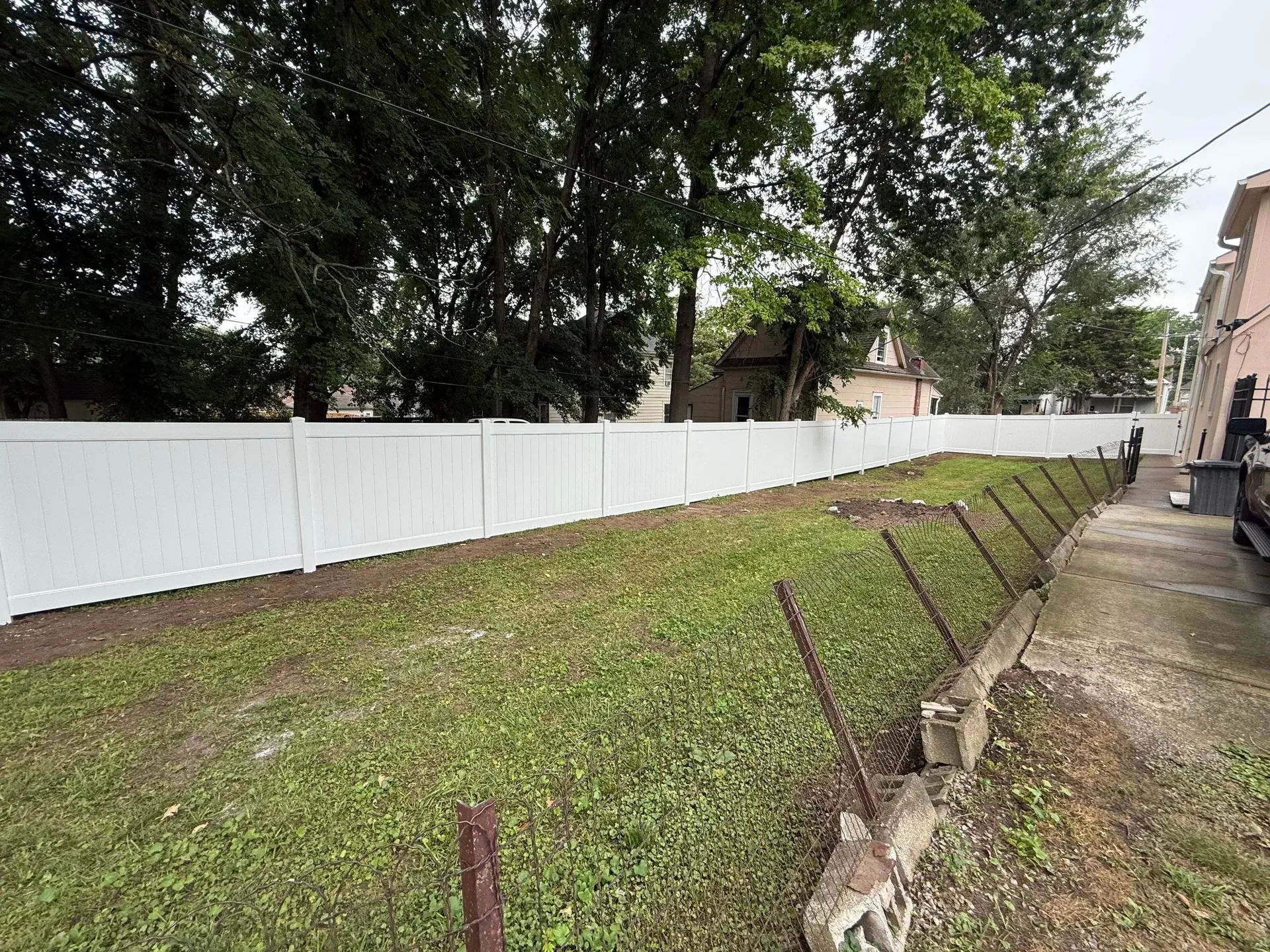
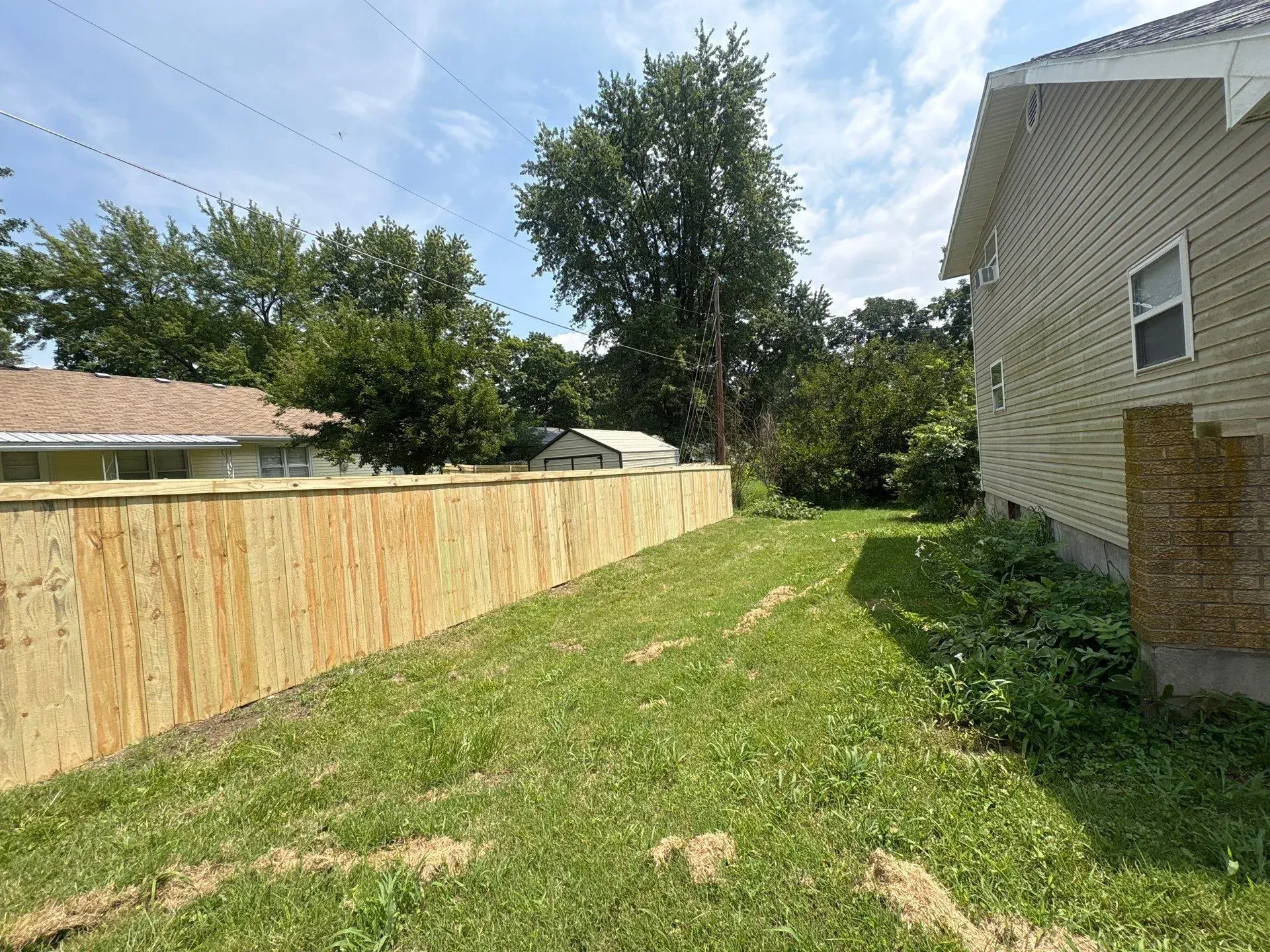
Cost Comparison
Wood typically costs less per linear foot to install than vinyl. Over the life of the fence, though, wood's maintenance costs — staining and sealing every one to three years — can narrow or even close that gap, particularly if you're paying a professional to handle it rather than doing it yourself.
Vinyl's higher upfront cost reflects the fact that there's little to no ongoing maintenance cost after installation. For a full breakdown of what affects fence pricing generally, see our Fence Cost Guide.
Maintenance Comparison
Wood Maintenance
Wood fencing needs to be restained or resealed roughly every one to three years, depending on sun exposure and the quality of the original finish. Skipping this maintenance leads to graying, splintering, and eventually rot.
Vinyl Maintenance
Vinyl fencing doesn't need staining or sealing. Occasional washing to remove dirt or mildew is typically all that's required to keep it looking consistent year to year.
Durability and Lifespan
Wood Durability
A well-maintained wood fence can last 15 to 20 years or more. Lifespan depends heavily on how consistently it's stained and sealed — a neglected wood fence can start showing serious wear in half that time.
Vinyl Durability
Vinyl fencing commonly lasts 20 to 30 years or longer, since it doesn't rot, splinter, or absorb moisture the way wood does. It can become brittle in extreme cold over many years, though this is less of a factor in Kansas City's climate than in more extreme northern regions.
Appearance and Style
Wood offers a natural grain and texture that vinyl is designed to approximate but doesn't fully replicate. Wood can also be stained in a range of colors and refinished later if you want to change the look. Vinyl offers a clean, consistent, low-maintenance appearance, typically in white, tan, or a small number of other color options, and that appearance doesn't change over time the way wood's does without upkeep.
Wood vs. Vinyl in Kansas City Conditions
Freeze-Thaw and Soil Movement
Both materials are installed using posts set in Kansas City's clay-heavy soil, which moves through winter freeze-thaw cycles regardless of what decking or fence material sits above ground. Post depth and footing method matter for both wood and vinyl fences equally — the fence panel material itself doesn't change that requirement.
Humidity and UV Exposure
Kansas City's humid summers and strong UV exposure are the primary reason wood fencing needs a consistent staining and sealing schedule here specifically — without it, wood weathers faster in this climate than in drier regions. Vinyl is largely unaffected by humidity and holds its color reasonably well under UV exposure, though very cheap or low-quality vinyl can fade or become brittle over many years regardless of climate.
Which Material Is Right for You
Choose wood if you want a lower upfront cost, a natural appearance, and don't mind a recurring maintenance schedule — or if you like the option to change the color later through staining.
Choose vinyl if you want to minimize ongoing maintenance, are planning to stay in the home long-term, and are comfortable with a higher upfront cost in exchange for lower total effort over the life of the fence.
Neither option is objectively better — the right choice depends on your priorities, not ours.
Frequently Asked Questions About Wood vs. Vinyl Fencing
Is vinyl fencing worth the extra cost over wood?
It depends on how long you plan to stay in the home and how much you value avoiding maintenance. If you're planning to stay long-term and want to minimize upkeep, vinyl's higher upfront cost often pays off over time. If you're budget-conscious now or don't mind maintenance, wood is a reasonable choice.
Does vinyl fencing crack or become brittle over time?
Quality vinyl is engineered to resist this, though very cheap products or extreme cold over many years can affect brittleness. This is less of a concern in Kansas City's climate than in more extreme northern regions.
Can wood fencing be painted instead of stained?
Yes, though staining is more common since it allows the wood grain to show through. Paint fully covers the wood and requires its own maintenance cycle, similar to staining.
Which material is better for dogs or pets?
Both materials can work well for pet containment, and the right choice often comes down to height, spacing, and gate design more than the panel material itself.
Does my HOA restrict wood or vinyl fencing?
Some HOAs have specific requirements around fence material, color, or height. Check your HOA's guidelines before choosing a material, since that may narrow your options regardless of cost or maintenance preference.
Do you install both wood and vinyl fencing?
Yes. We install both materials and can help you compare options based on your specific property and priorities during a free estimate.
Ready to Compare Wood and Vinyl for Your Property?
Our team can walk your property, discuss your priorities, and help you decide between wood and vinyl based on your actual budget and goals.