


Fence Gate Installation in Kansas City
A well-built gate is one of the most important parts of any fence.
Gates take on more daily use and structural stress than any other part of a fence system, and a poorly built or poorly framed gate is often the first thing to fail — even when the rest of the fence holds up for years. KC Top Tier Exteriors builds gates designed to operate correctly and stay aligned through repeated use and Kansas City's changing weather.
25+ Years of Industry Experience
Full-Time Installation Crews
Pedestrian, Double and Wide-Access Gates
One-Year Workmanship Warranty
Cleanup Included
Why Gate Construction Matters More Than Homeowners Expect
A gate isn't just a section of fence that swings — it's a separate structural system that has to support its own weight on one side while withstanding wind, foot traffic, and repeated opening and closing, often for years without issue.
Most fence problems that show up early — sagging, dragging, latches that stop lining up — start at the gate, not the fence line. That's because a gate concentrates weight and stress onto two posts instead of distributing it evenly like a fixed panel does. Getting the framing, hinges, post depth, and hardware right the first time is what separates a gate that works smoothly for a decade from one that needs adjustment every season.
We build gates as part of new fence installations and as standalone additions or replacements on existing fences.
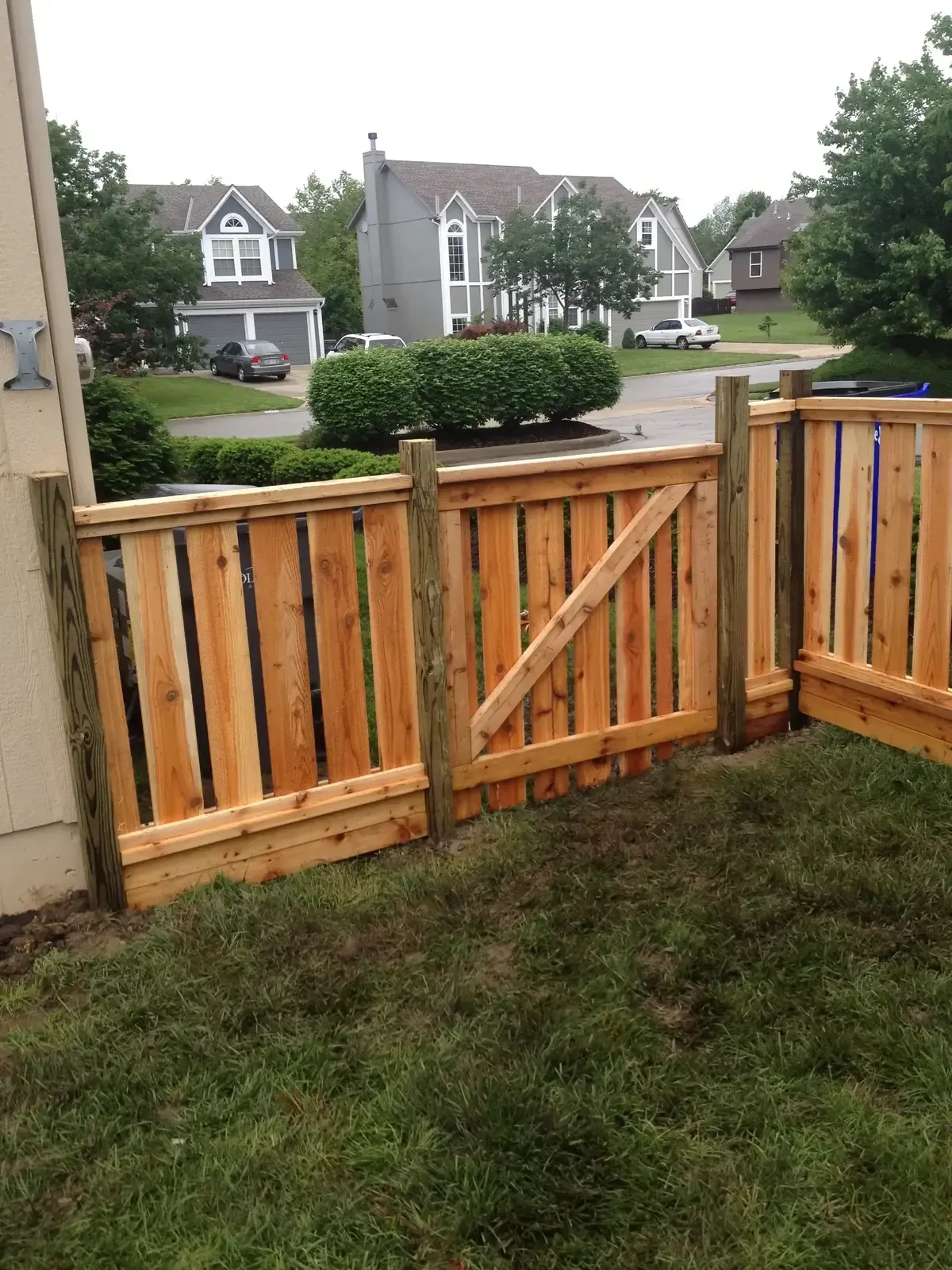
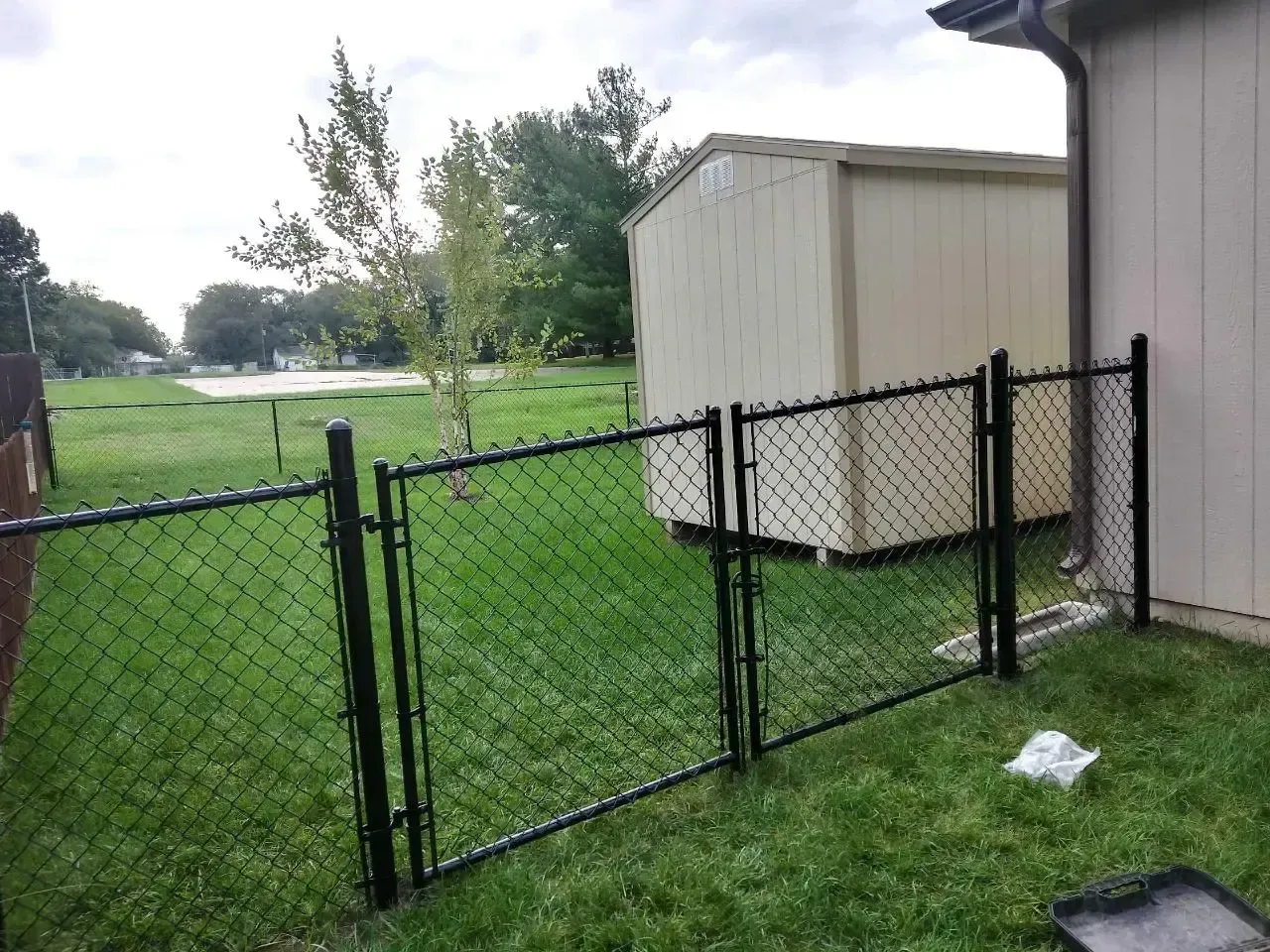
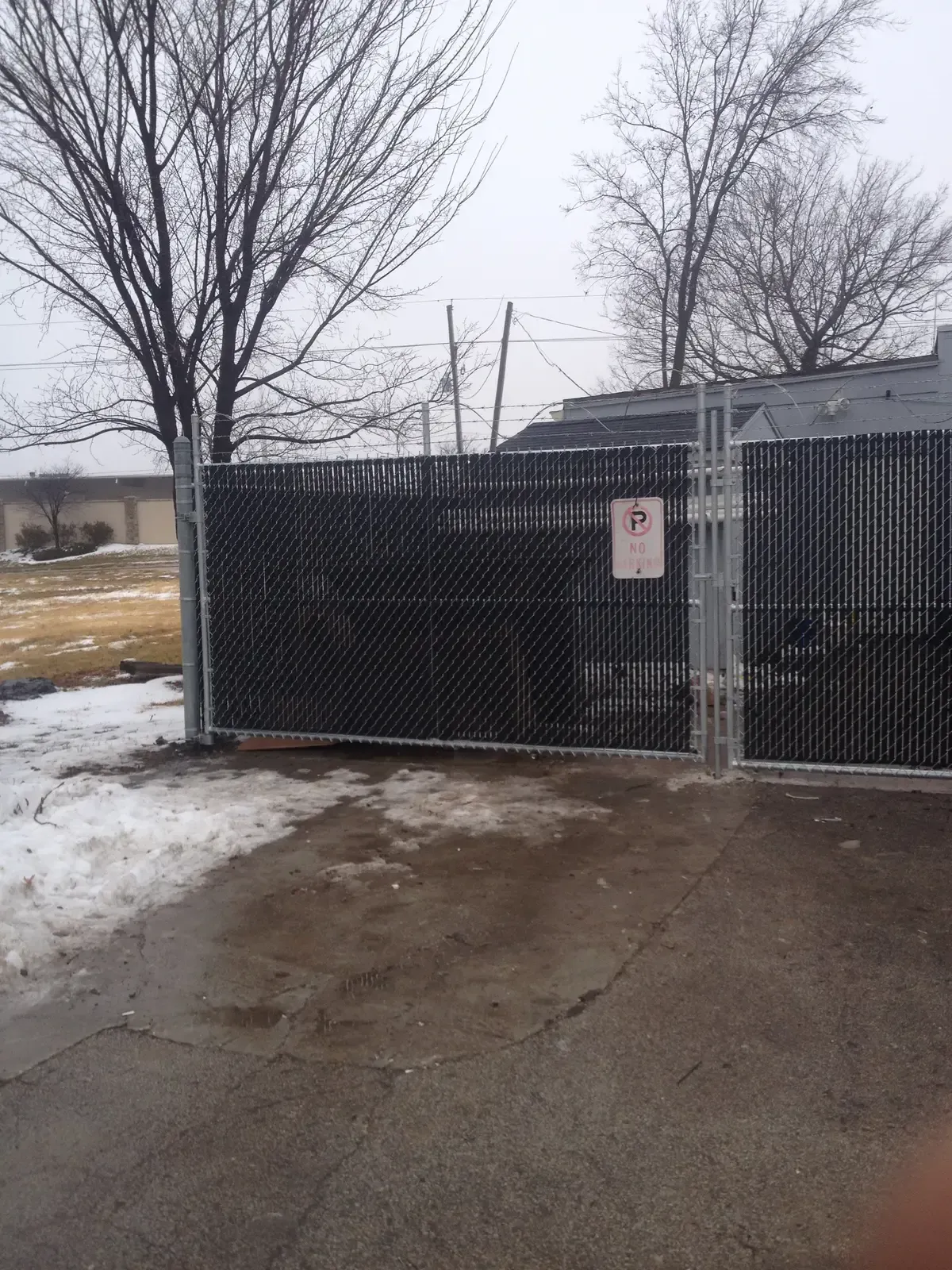
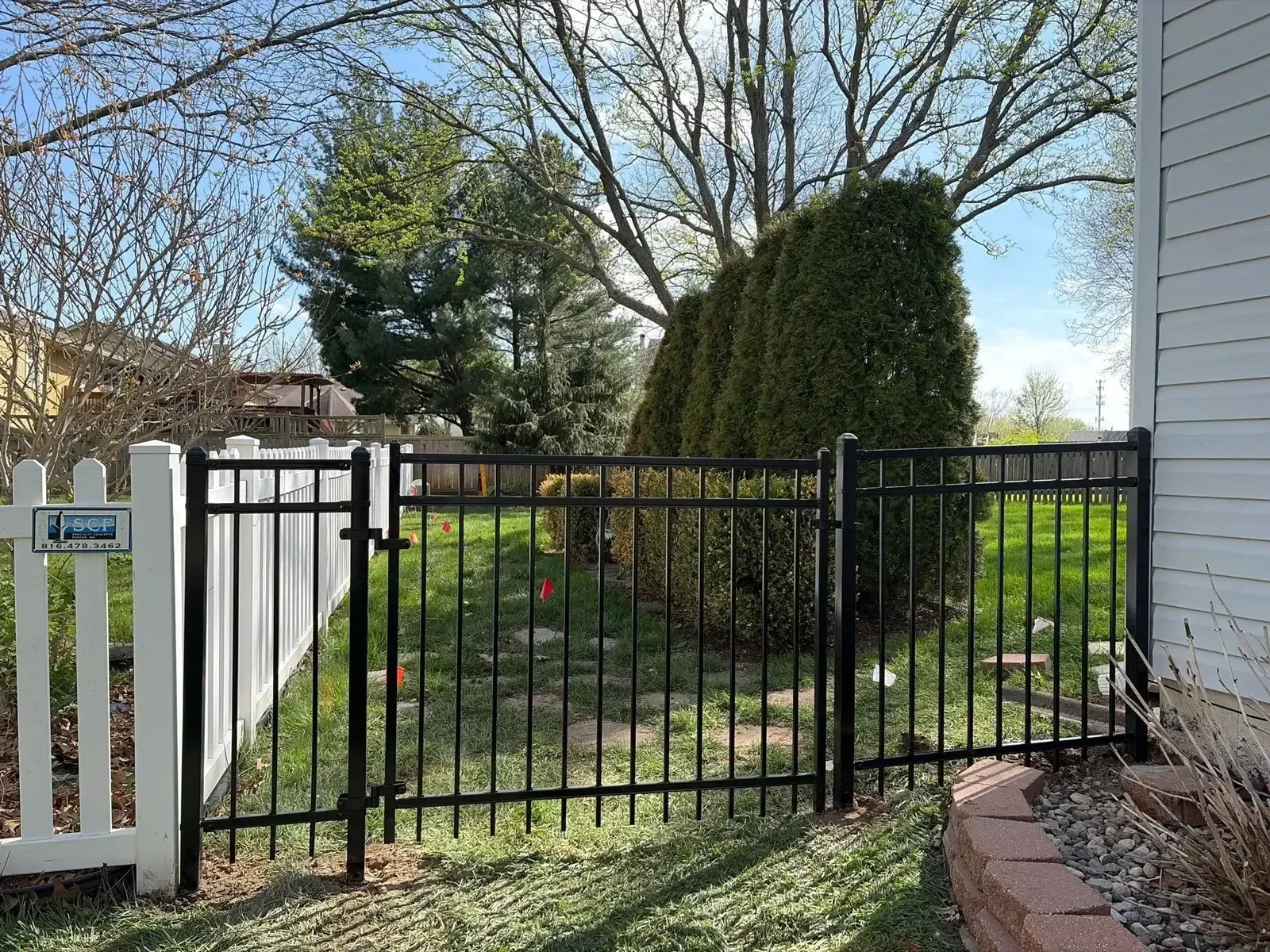
Gate Types We Install
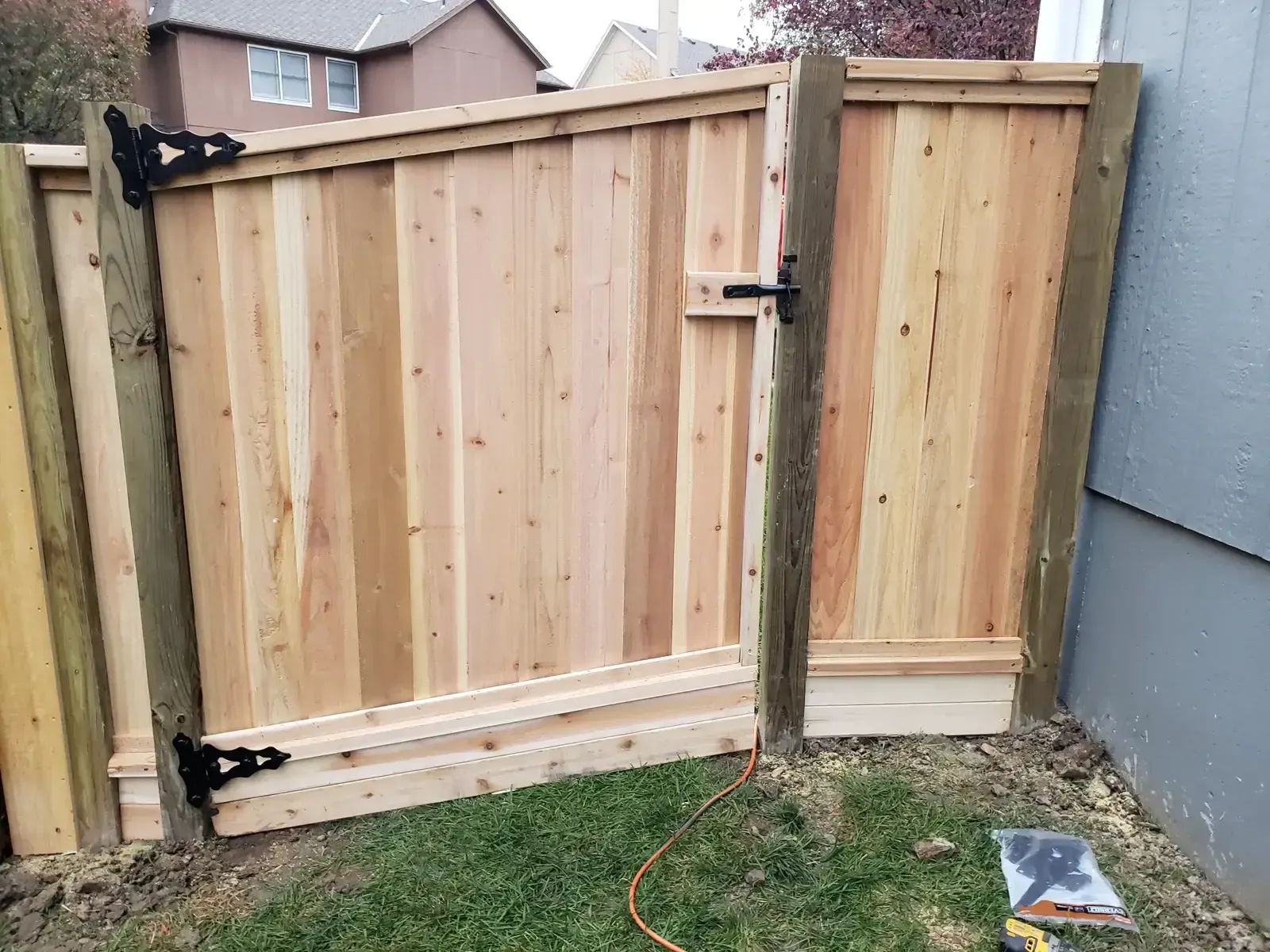
Pedestrian Gates
Standard walk-through gates sized for everyday foot traffic — typically 3 to 4 feet wide. These are the most common gate type and can be matched to any fence material and style, including privacy, picket, decorative, and chain-link.
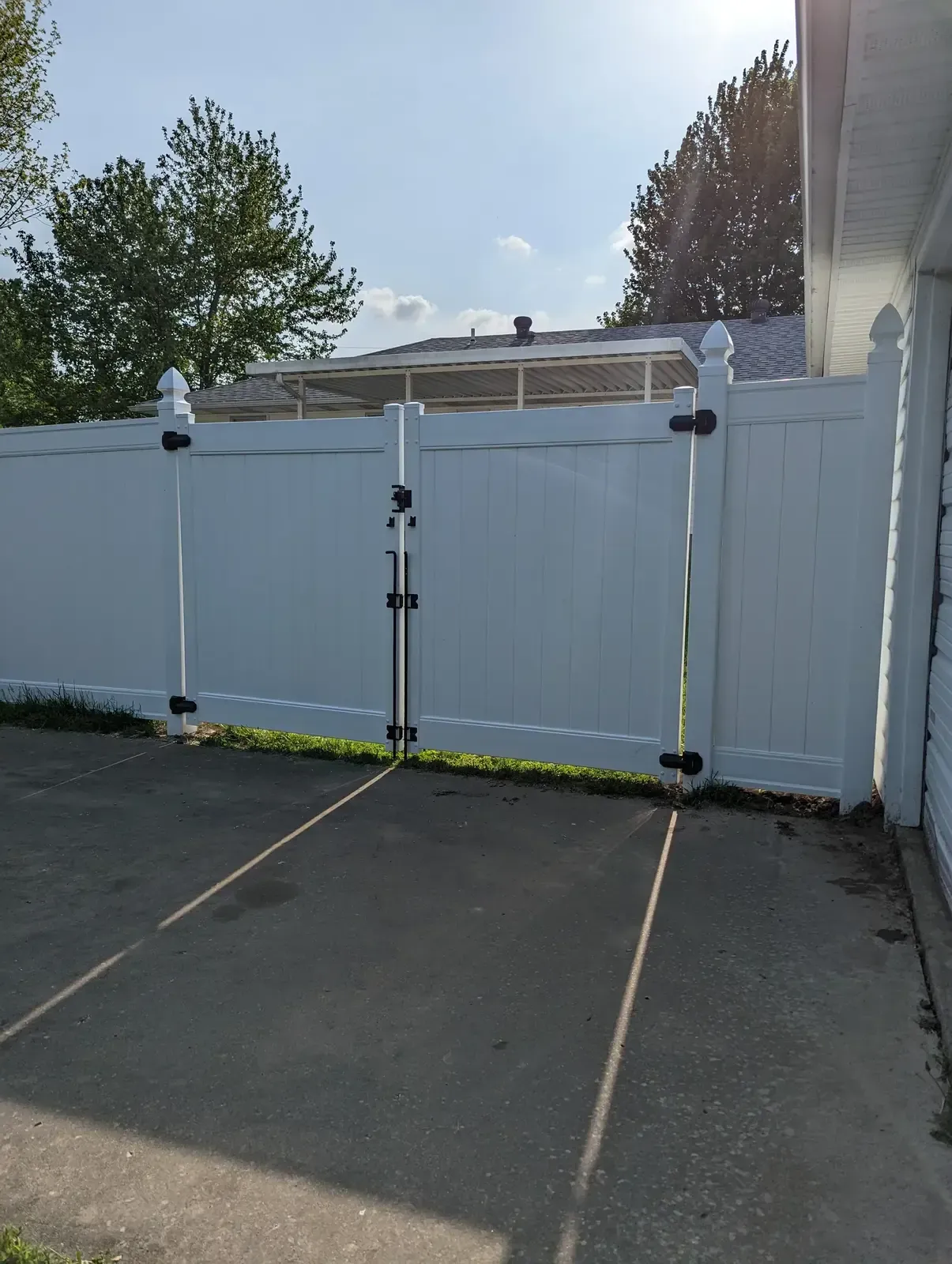
Double Gates
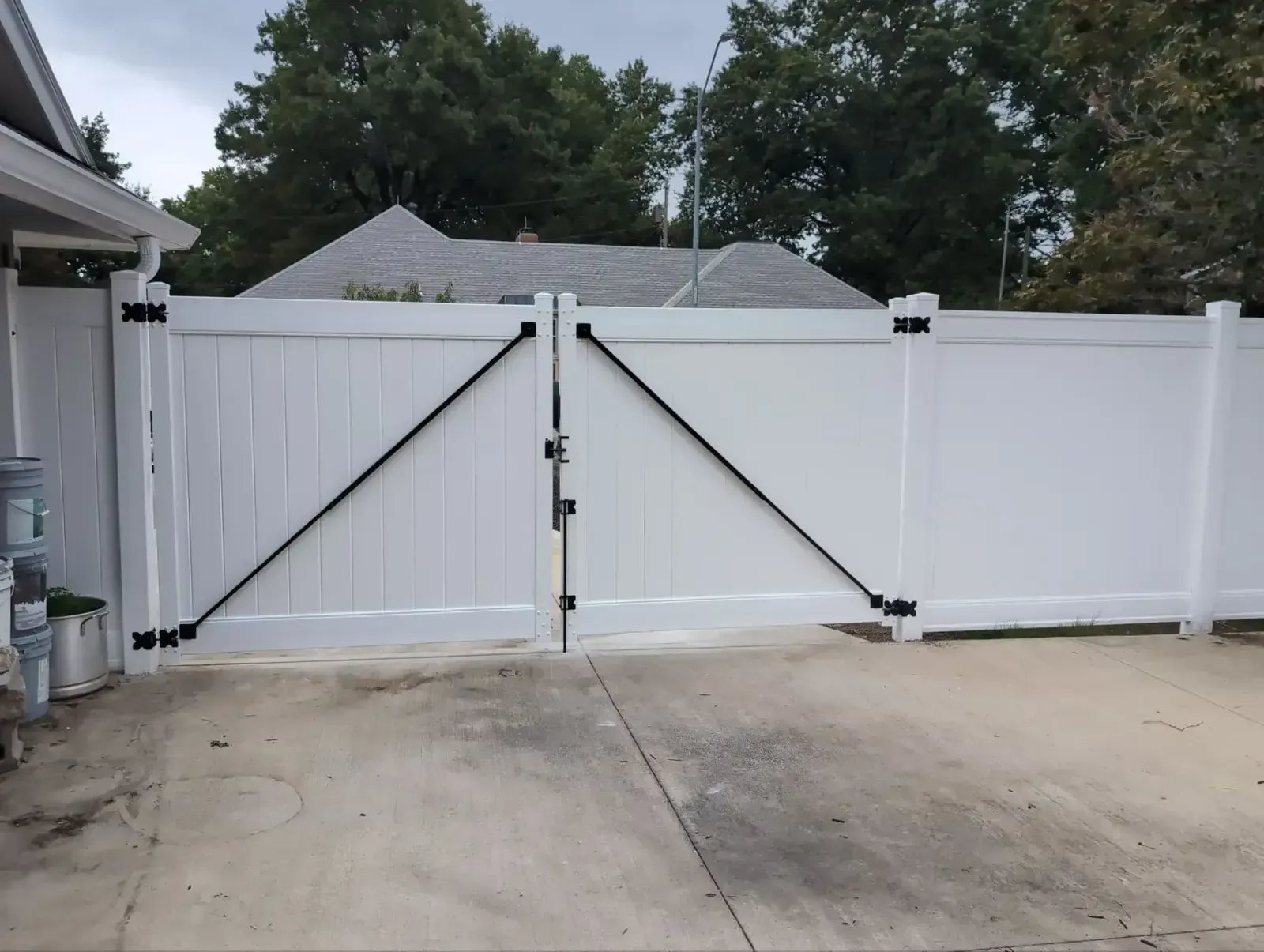
Double gates split the opening across two swinging panels that meet in the middle, allowing for a wider total access point without requiring a single oversized gate leaf. This is often the better option for openings around 8 to 12 feet wide, since two moderately sized panels put less strain on their hinges than one very large one.
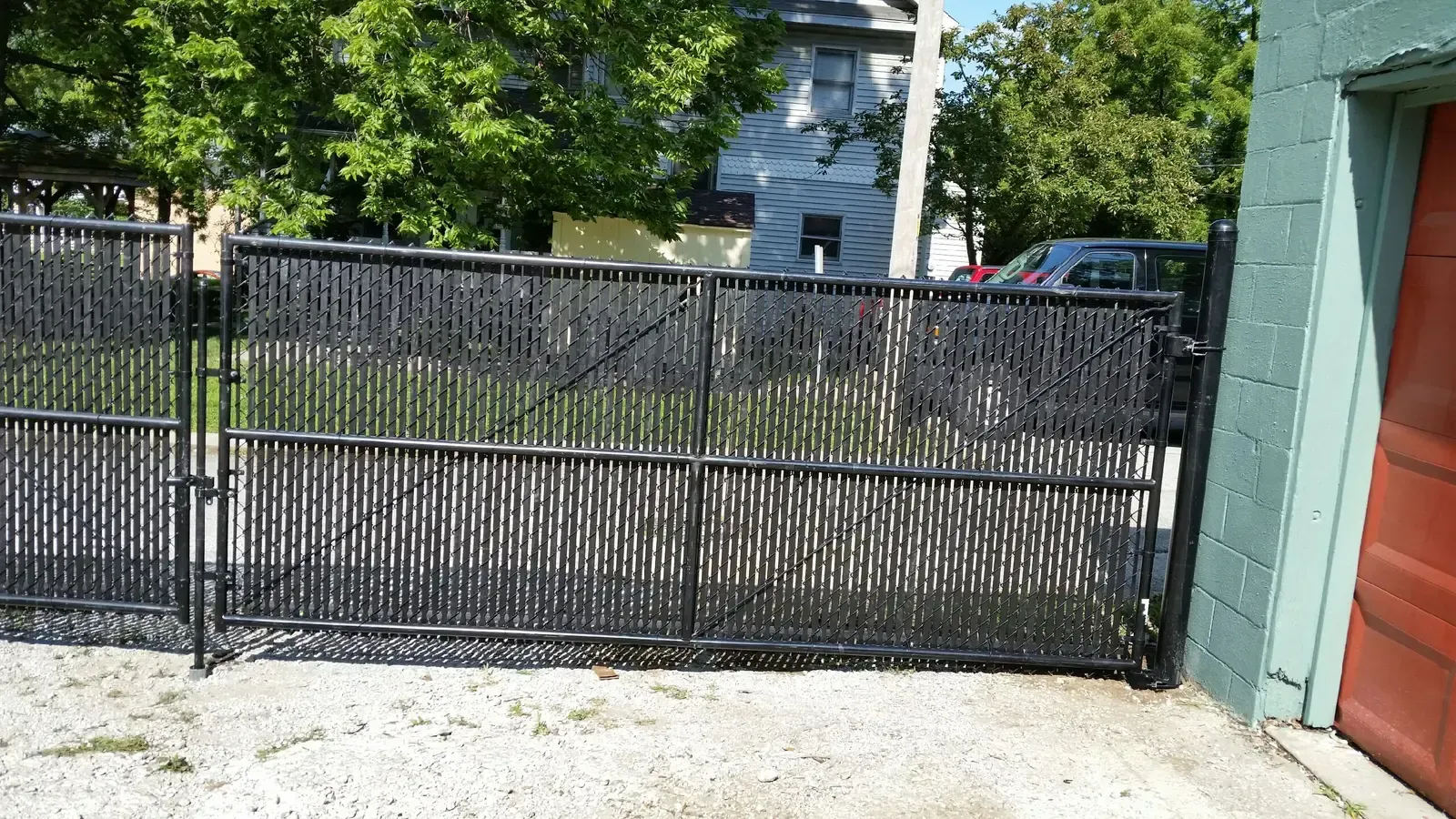
Wide-Access and Drive-Through Gates
Built for lawn equipment, trailers, boats, or vehicle access, these gates require heavier framing, larger posts, and stronger hardware than a standard pedestrian gate. We plan post depth and bracing specifically around the width and expected load of a wide-access gate rather than treating it as a scaled-up version of a standard gate.
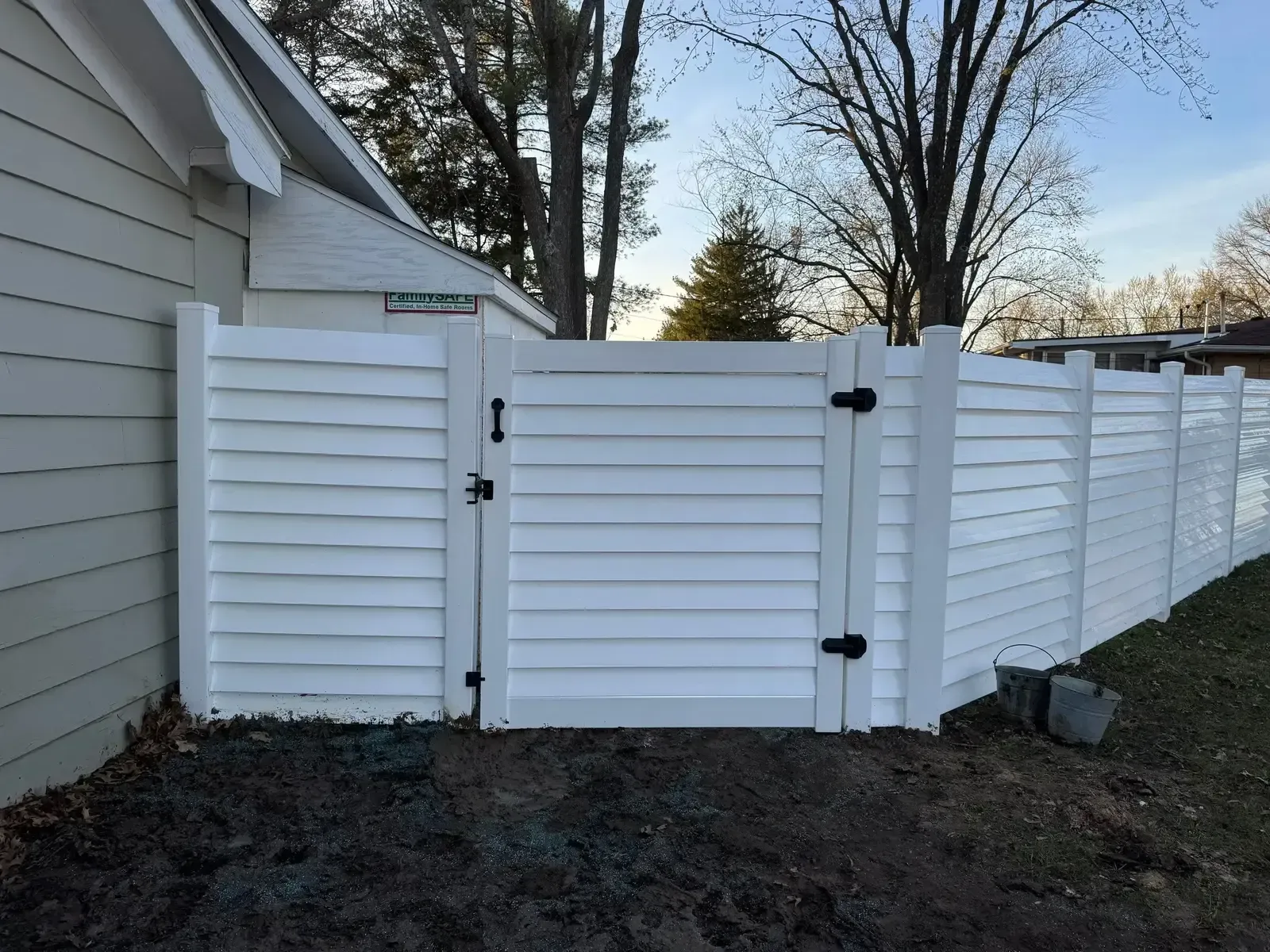
Matching Fence Material and Style
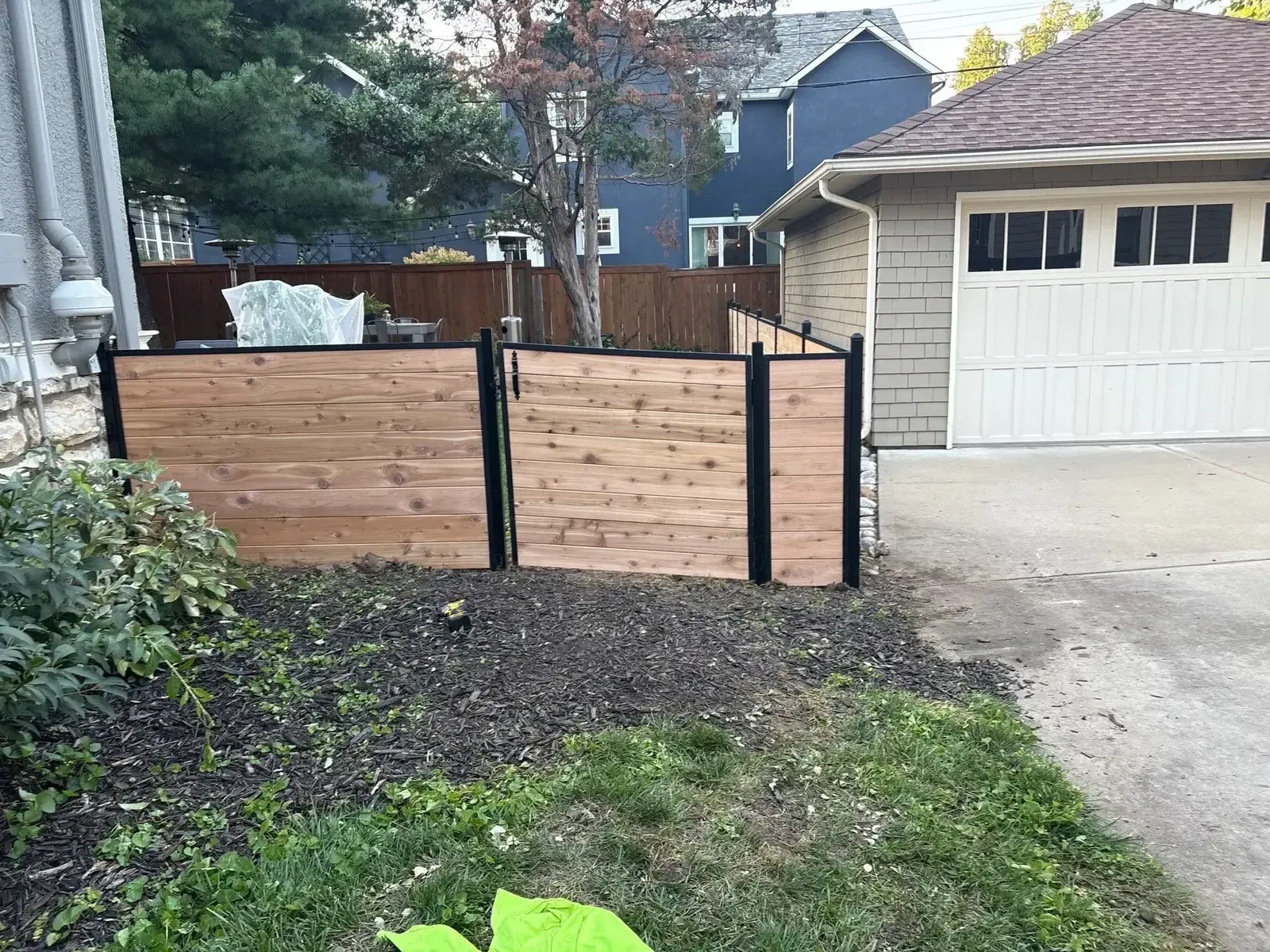
Gates are built to match the surrounding fence — wood, vinyl, aluminum, steel, or chain-link — so the finished project looks intentional rather than mismatched. Decorative hardware, post caps, and accent details can also be carried through to the gate.
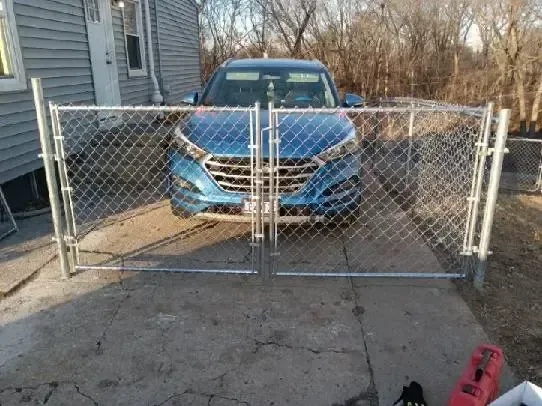
Chain-link gates are built differently than wood, vinyl, aluminum, or steel gates — instead of a wood-framed panel with diagonal bracing, chain-link gates use a welded or tube-steel frame with the mesh attached to it. The hardware and hinge requirements are also different, which is why we treat chain-link gate construction as its own category rather than a variation on the others.
Explore gates for your specific fence material or style:
What Goes Into a Gate That Actually Holds Up
Post Depth and Support
Gate posts carry more load than standard fence posts because they support the full weight of the swinging panel on one side. We set gate posts deeper and, where needed, use larger posts or additional concrete footing to handle that concentrated weight.
Framing
A gate needs internal framing — typically a diagonal brace — to keep the panel square and prevent it from sagging out of shape over time. This matters even more for wider gates, where the unsupported span is greater.
Hinges and Hardware
Hinge quality and placement directly affect how long a gate operates smoothly. Undersized hinges, or hinges mounted without enough support behind them, are one of the most common reasons gates start to sag or drag within the first year or two.
Latches and Closures
Latches should line up cleanly and stay aligned as the gate settles slightly over time, which is normal. Self-closing hinges or latches can be added for pool areas, pet containment, or situations where the gate needs to stay reliably closed.
Gate Performance in Kansas City Conditions
Gates are more exposed to Kansas City's freeze-thaw cycles than fixed fence panels, because the same clay-heavy soil movement that shifts fence posts puts uneven stress on the two posts holding a gate in place. If one gate post shifts even slightly more than the other, the gate can bind, drag, or stop latching correctly — a problem that's often mistaken for a hardware issue when the real cause is the post foundation underneath.
Wide-access and double gates are more exposed to wind load than a single pedestrian gate, since more surface area catches the wind while the gate is in motion. We account for this when planning post depth and hinge specification on wider gates, particularly on open or corner lots.
Gate Repair and Adjustment
A sagging or dragging gate doesn't always mean the whole gate needs to be replaced. Common issues we evaluate include:
Loose or worn hinges · Posts that have shifted or leaned · Frame sag from missing or failed diagonal bracing · Latches that no longer align · Storm or impact damage · Rot or deterioration in wood gate frames.
In many cases, a gate can be re-hung, reinforced, or have its post reset without replacing the entire structure. We can evaluate an existing gate and recommend whether repair or replacement makes more sense for the situation.
For broader fence damage beyond the gate itself, see our full Fence Repair page.
A Straightforward Proven Process
Our Gate Installation Process
Request a Free Estimate
Property Evaluation
Select Gate Type and Hardware
Review the Proposal
Schedule Installation
Professional Installation
Cleanup and Final Review
Why Choose KC Top Tier Exteriors for Gate Installation
Experienced Gate Installation
Full-Time Installation Crews
Built to Last
One-Year Workmanship Warranty
Recent Gate Projects Across the Kansas City Area
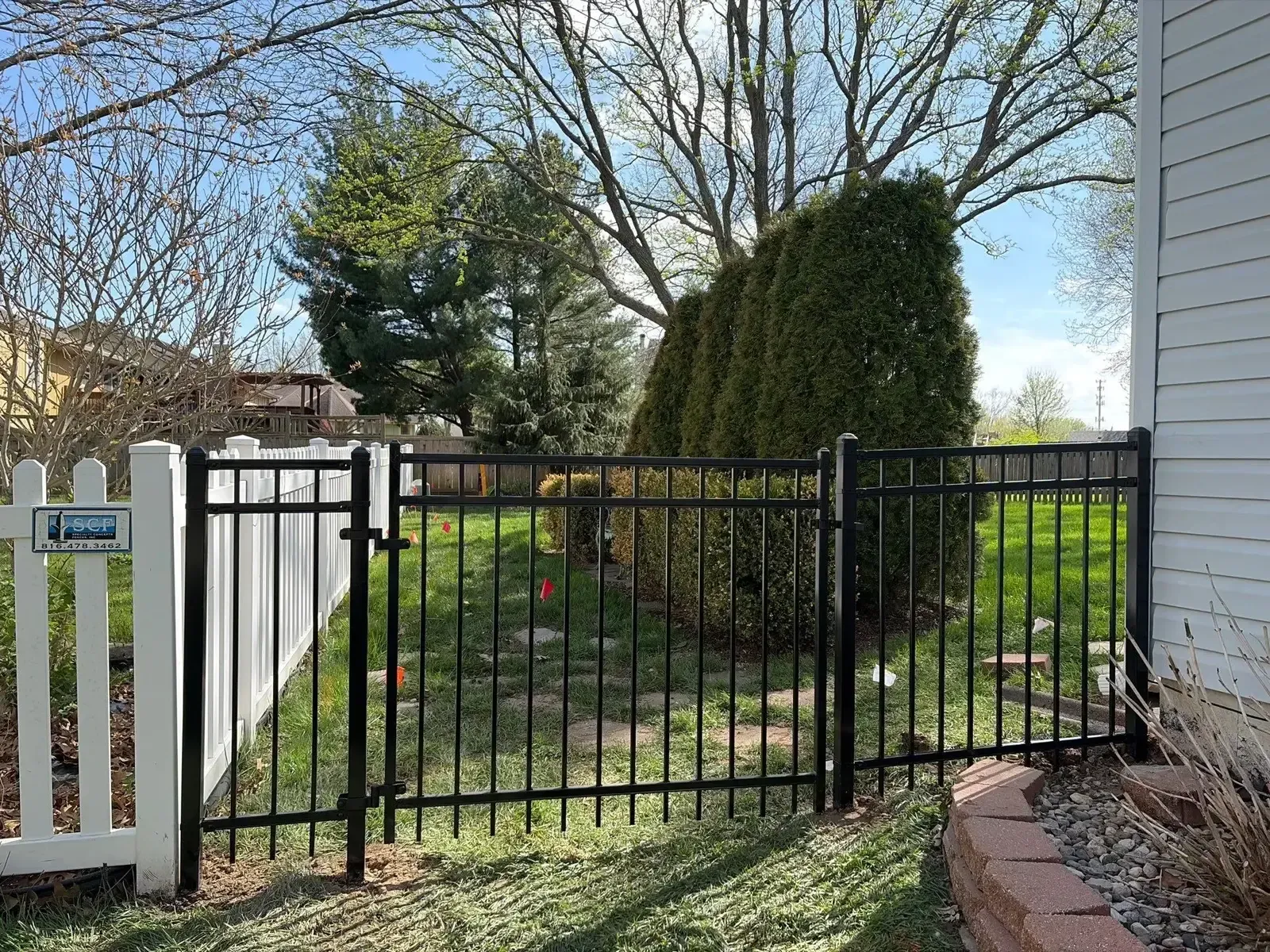
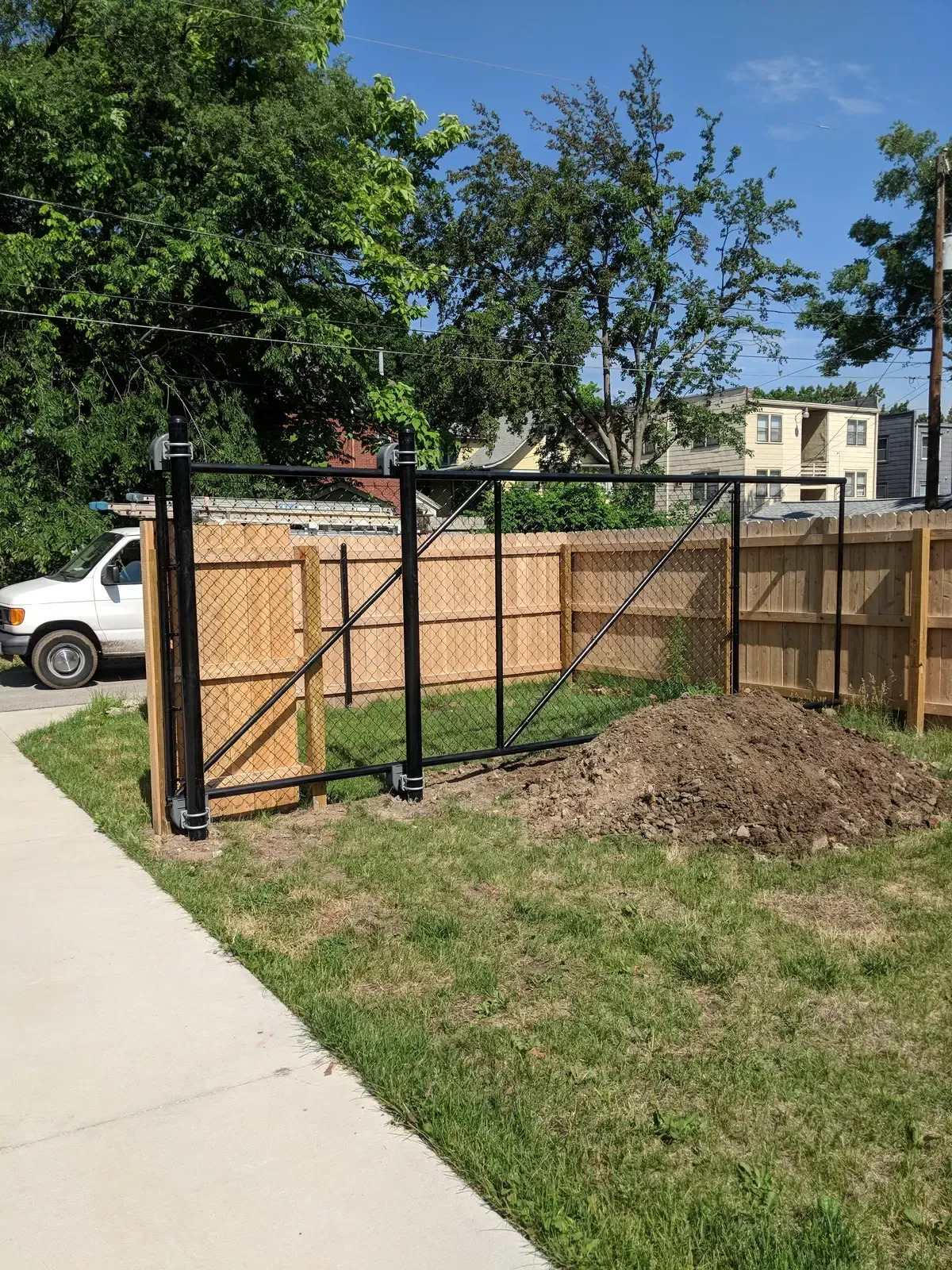
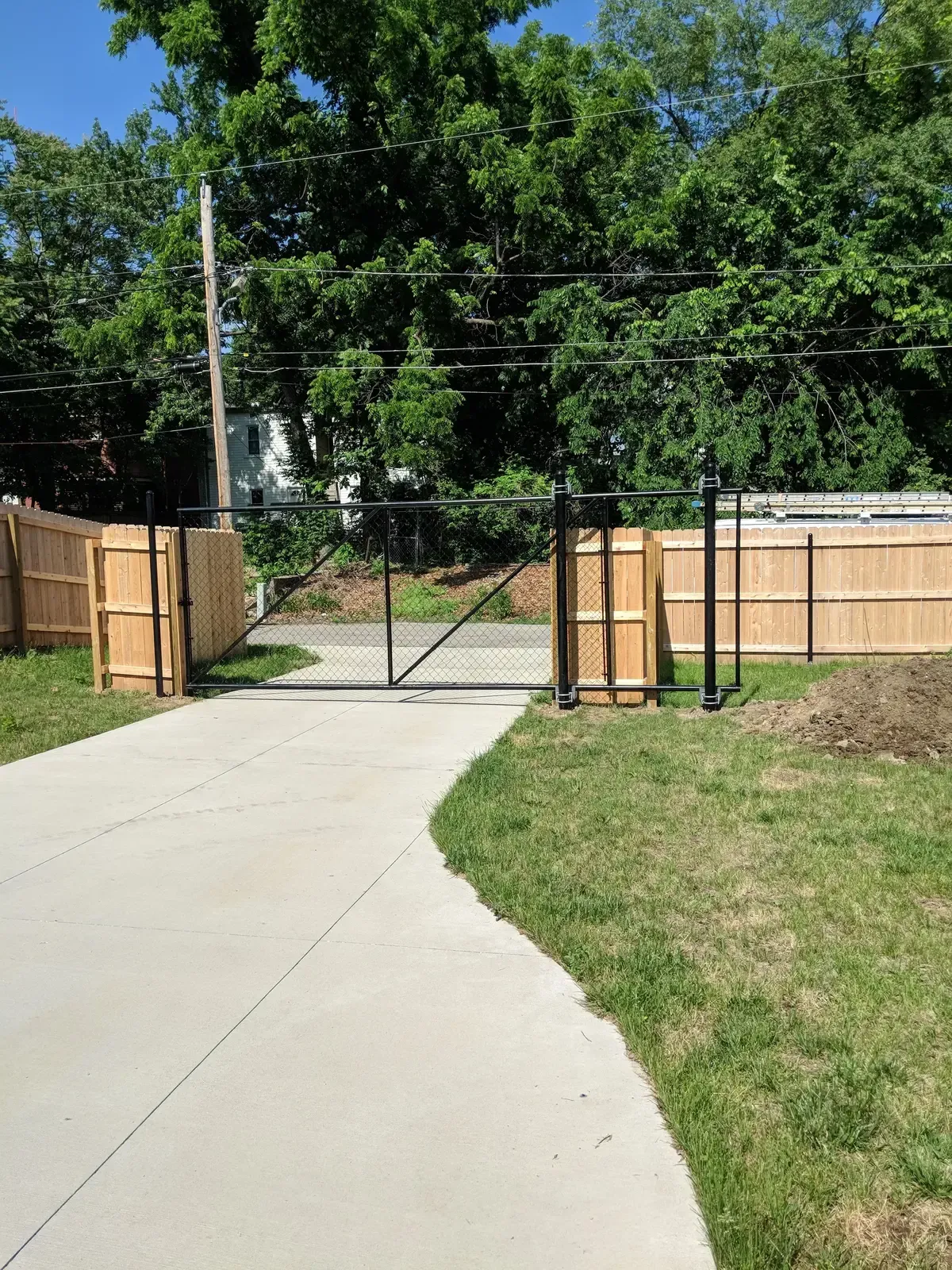
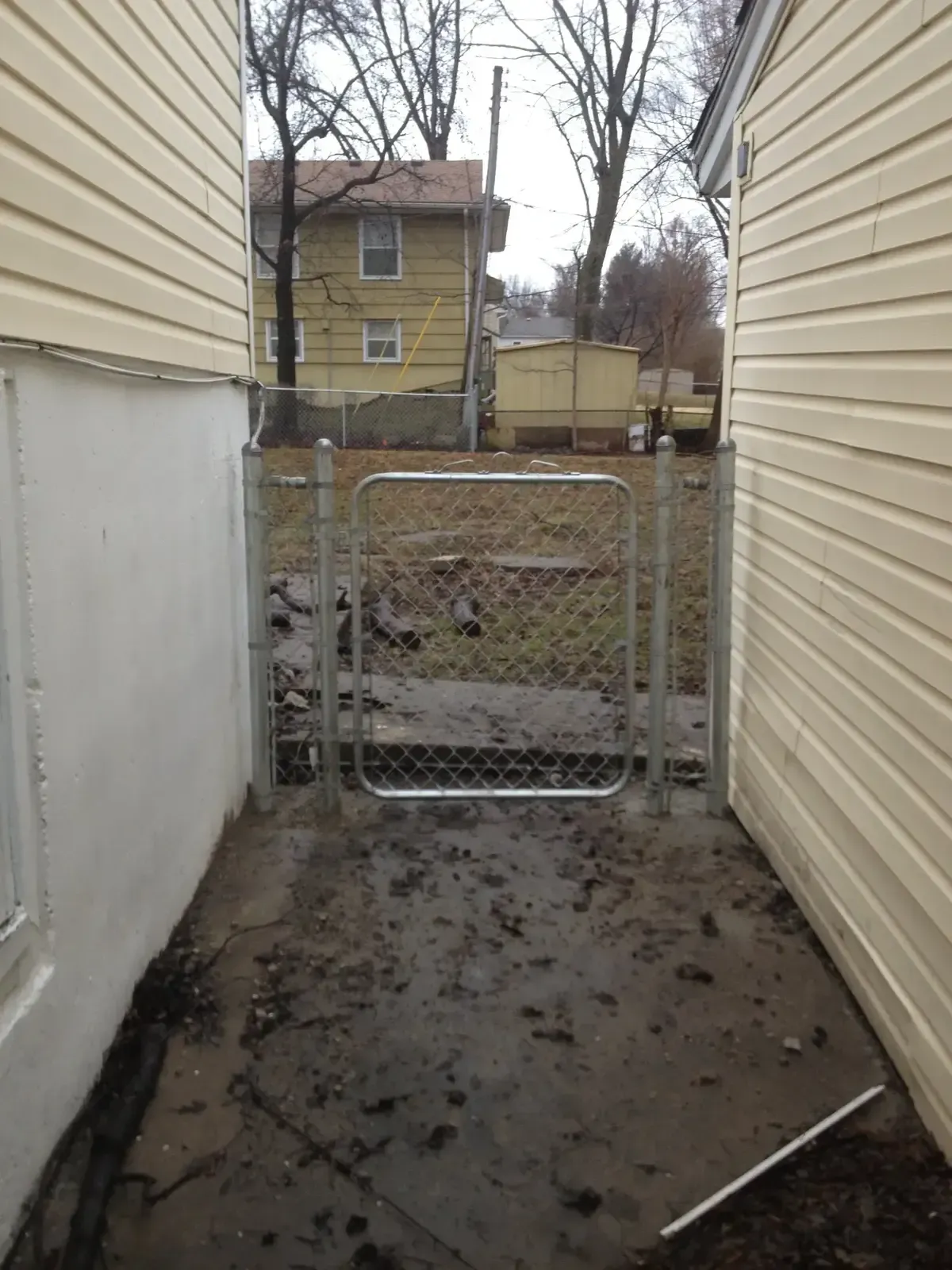
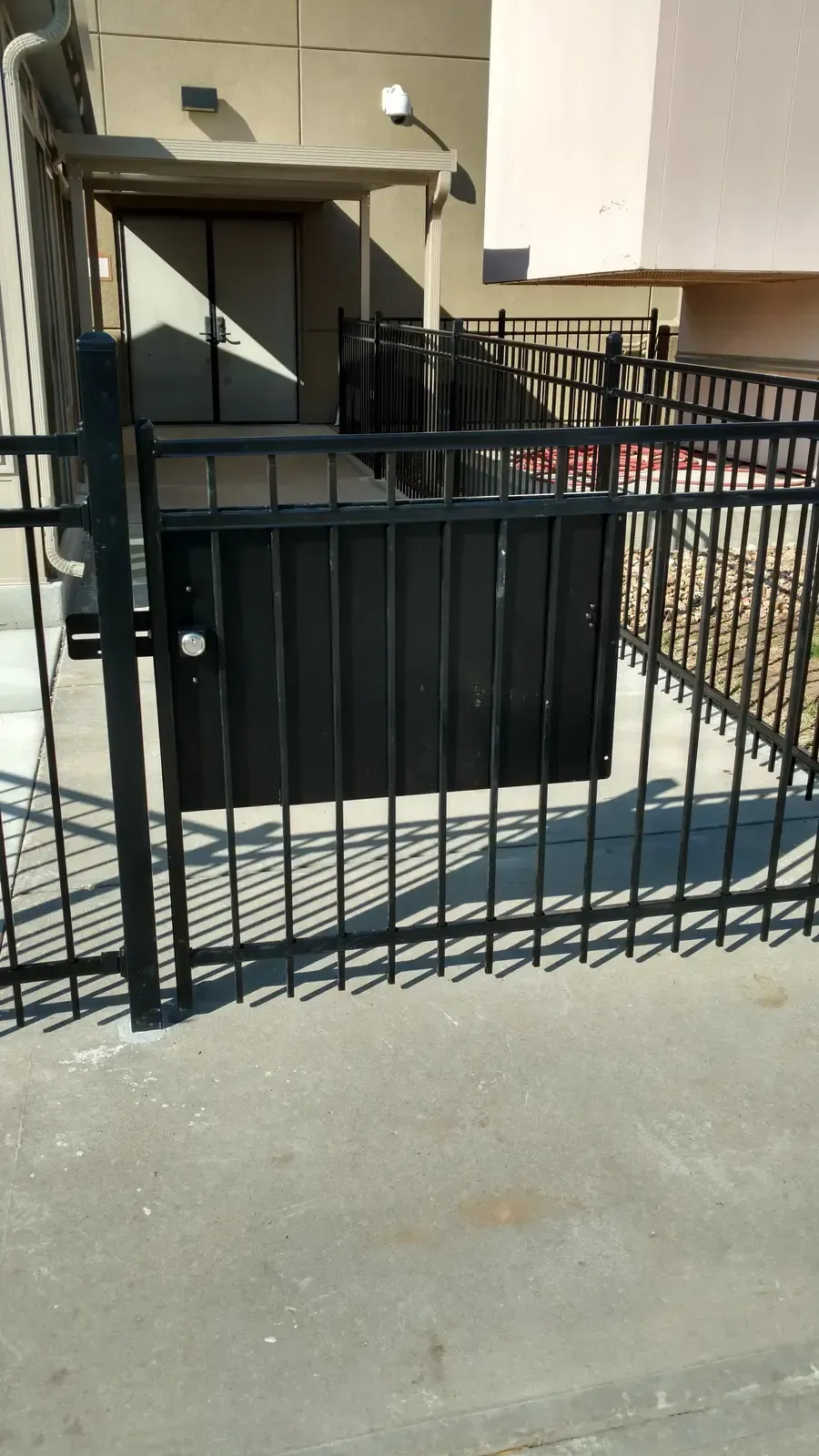
Explore completed pedestrian, double, and wide-access gate installations across a range of fence materials and styles.
Frequently Asked Questions About Fence Gates
How wide can a gate be?
Standard pedestrian gates are typically 3 to 4 feet wide. Wider openings are usually built as double gates or, for vehicle and equipment access, as a wide single or double gate with heavier framing.
Why does my gate sag?
For wood, vinyl, aluminum, and steel gates, sagging is most often caused by insufficient hinge support, missing diagonal bracing inside the gate frame, or a gate post that has shifted. Chain-link gates sag for slightly different reasons, typically related to the welded frame or hinge hardware rather than internal bracing. We can evaluate the specific cause during an estimate or repair visit.
Can you match a gate to my existing fence?
Yes. We can build a matching gate for most existing wood, vinyl, aluminum, steel, and chain-link fences, matching material, color, and style where products are still available. Chain-link gates use a different frame construction than the other materials, so we'll walk you through what to expect based on your specific fence type.
Can a gate be added to an existing fence without a gate?
In most cases, yes. We can evaluate the fence line and determine the best location and post support needed to add a new gate opening.
Do you repair gates that aren't performing well?
Yes. We evaluate hinges, posts, framing, and hardware to determine whether adjustment, repair, or replacement is the right solution.
Do you provide free estimates for gates?
Yes. Contact KC Top Tier Exteriors to schedule a free estimate for a new gate, gate repair, or full fence project that includes a gate.
Request a Free Gate Estimate
Whether you need a new gate as part of a fence project, a standalone gate addition, or repair on an existing gate, KC Top Tier Exteriors can help.